

Electricity Market Tracker
Electricity Market Tracker (EMT) is a multidimensional open data and model platform that supports in-depth research on China’s electricity market and policies. EMT tracks and analyzes the rapidly evolving power sector of China, offering perspectives and insights into the reform of power trading mechanisms. Well-designed trading mechanisms can support the construction of a reliable, efficient, clean, low-carbon, flexible, and intelligent power system.
Featured Content
-
Research
Shandong’s 2030 Resource Adequacy Outlook: A Prefecture-Level Analysis Under the Low-Carbon Transition
This report presents a 2030 resource adequacy outlook for Shandong Province using a prefecture-level power system operations model. It evaluates different development pathways for coal, wind, solar, and energy storage, and assesses system resilience under stress tests involving interprovincial HVDC outages and extreme weather.
-
Research Brief
Resource Adequacy Assessment for the East China Grid: Policy Interventions and Contingent Scenarios for 2030
This brief assesses resource adequacy in the East China Grid (ECG) for 2030 using a UCED modeling framework to evaluate system performance under different combinations of RA-related policy levers and stress scenarios.
-
Research
Capacity Payments for Coal-fired Power Plants in China
This report presents a province-level analysis of China’s capacity payment mechanism, assessing its implications for coal plant profitability in 2024 and under a forward-looking 2035 power system transition scenario.
-
News
What Strategies Are Used to Incentivize Virtual Power Plants to Ensure Grid Reliability?
The paper analyzes how California activates virtual power plants’ capacity value through integrated resource planning, capacity payments, and performance-based incentives, […]
-
Report
Northeast China Grid Winter Resource Adequacy Report
This brief offers case study examples of two types of routine public reports that are common internationally in supporting a reliable new energy system, namely post-crisis analysis, and forward-looking seasonal resource adequacy outlook.
Our Research
Innovative, independent, interdisciplinary, and far-reaching exploration of the electricity market.
01
Resource Adequacy
Sufficient Supply To Meet Demand
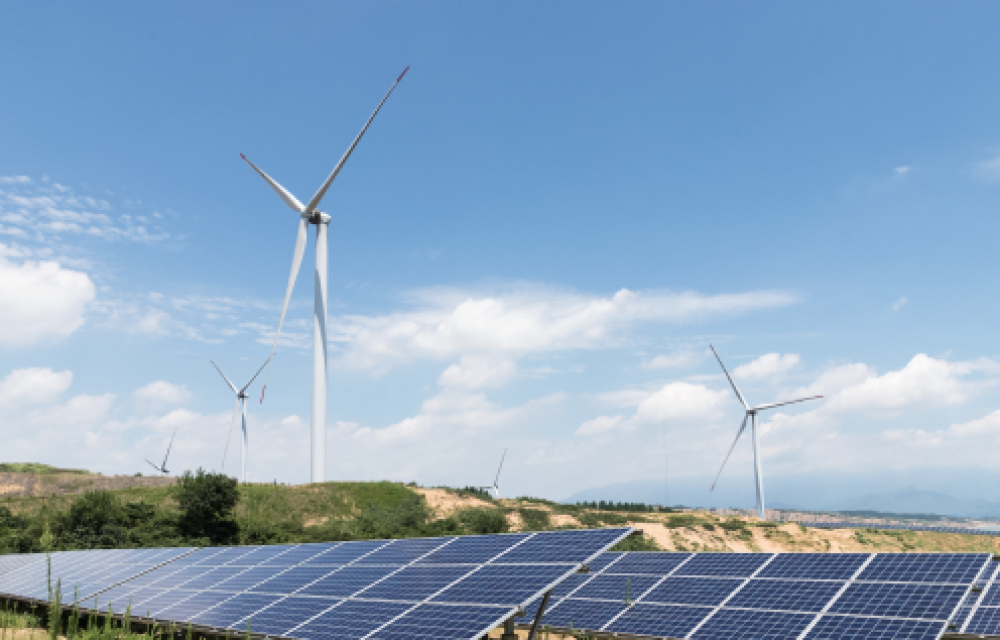
Resource adequacy refers to the degree to which the power system has sufficient capacity to continuously meet consumers’ electricity demands. It is an essential component in ensuring the stability and reliability of a new type of power system.
02
Spot Markets
Real-Time & Near-Real-Time Markets
The spot market aims to alleviate supply-side pressure, promote the integration of renewable energy, and achieve flexible and efficient allocation of energy resources, but its potential has yet to be fully developed.

03
Forward Contracts
Long-Term Markets & Contracts
Medium and long-term (MLT) contracts are the most mature electricity market in China. The MLT market provides hedging and long-term guarantees and needs to develop synergies with spot markets to advance power sector transformation.

Methodology
EMT analysis is based on open-source data and models related to China’s electricity market, policies, and power system. Our team creates modeling and simulation tools for China’s new power system. We monitor the latest developments in the power sector and offer open access to datasets and models that explore electricity market developments.
News
Learn about our latest scientific breakthroughs, media coverage, and team updates.
What Strategies Are Used to Incentivize Virtual Power Plants to Ensure Grid Reliability?
The paper analyzes how California activates virtual power plants’ capacity value through integrated resource planning, capacity payments, and performance-based incentives, while promoting flexible grid-connection…
From Constraints to Opportunities: Balancing Market Regulation and Price Liberalization
Balancing regulation and price liberalization in China’s spot electricity markets requires gradually relaxing price floors and ceilings while strengthening market power oversight, so that…
How Should the Capacity Compensation Mechanism Be Designed to Be Truly “Inclusive”? (Taking Demand-Side Resources as an Example)
Key features of an inclusive capacity compensation mechanism include basing procurement on resource adequacy planning, enabling fair competition for all resources including demand-side, establishing…